Step back in time and discover the soul of Batu Pahat by exploring its Old Street area (known locally as “Lao Jie” or “老街商场”). This historic commercial district tells the story of the town’s rich cultural tapestry through its well-preserved shophouses, vibrant street art, and thriving local businesses that have operated for generations. Whether you’re a history enthusiast, photography lover, or simply seeking authentic Malaysian culture, this walking tour will reveal the hidden gems that make Batu Pahat’s Old Street a treasure worth exploring.
The History of Old Street
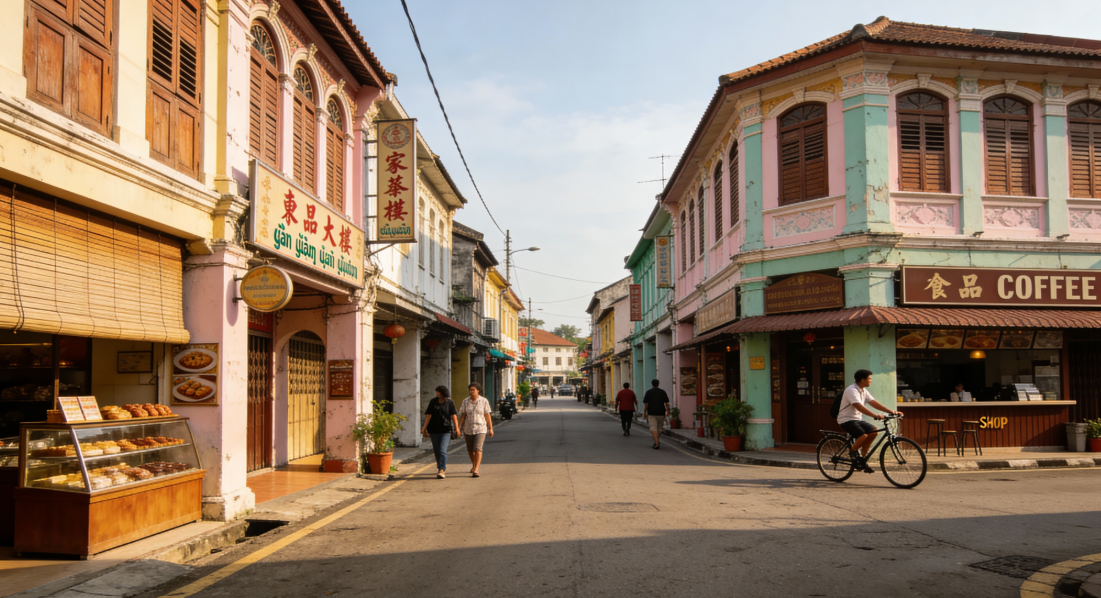
Batu Pahat’s Old Street area developed during the colonial era and early 20th century as the commercial heart of the town. The distinctive shophouses that line the streets reflect the architectural styles popular among Chinese merchants and traders of that era – practical ground-floor shops with living quarters above, featuring ornate facades, decorative tiles, and intricate wooden shutters.
These buildings have witnessed the evolution of Batu Pahat from a small trading post to a bustling modern town, yet they’ve retained their charm and character. Many remain family-owned businesses, passed down through three or four generations, creating a living museum where history and daily life coexist beautifully.
Starting Your Walking Tour
The best time to explore Old Street is early morning (7 AM – 10 AM) when the area comes alive with breakfast crowd and local activities, or late afternoon (4 PM onwards) when the heat subsides and the evening buzz begins. Weekends see more activity but also more crowds. Wear comfortable walking shoes, bring water, and don’t forget your camera!
Key Highlights of Your Walking Tour
The architecture of Old Street shophouses is a masterclass in functional design meeting aesthetic beauty. Look up as you walk – many facades feature intricate stucco work, colorful ceramic tiles, and wooden fretwork that tell stories of their owners’ origins and trades. Some shophouses display their original signboards in Chinese characters, hand-painted generations ago.
Notable features to spot include:
– Five-foot walkways (covered walkways) providing shelter from rain and sun
– Air wells allowing natural ventilation
– Ornamental columns and pilasters
– Original wooden doors and shutters
– Vintage floor tiles in geometric patterns
Street Art and Murals
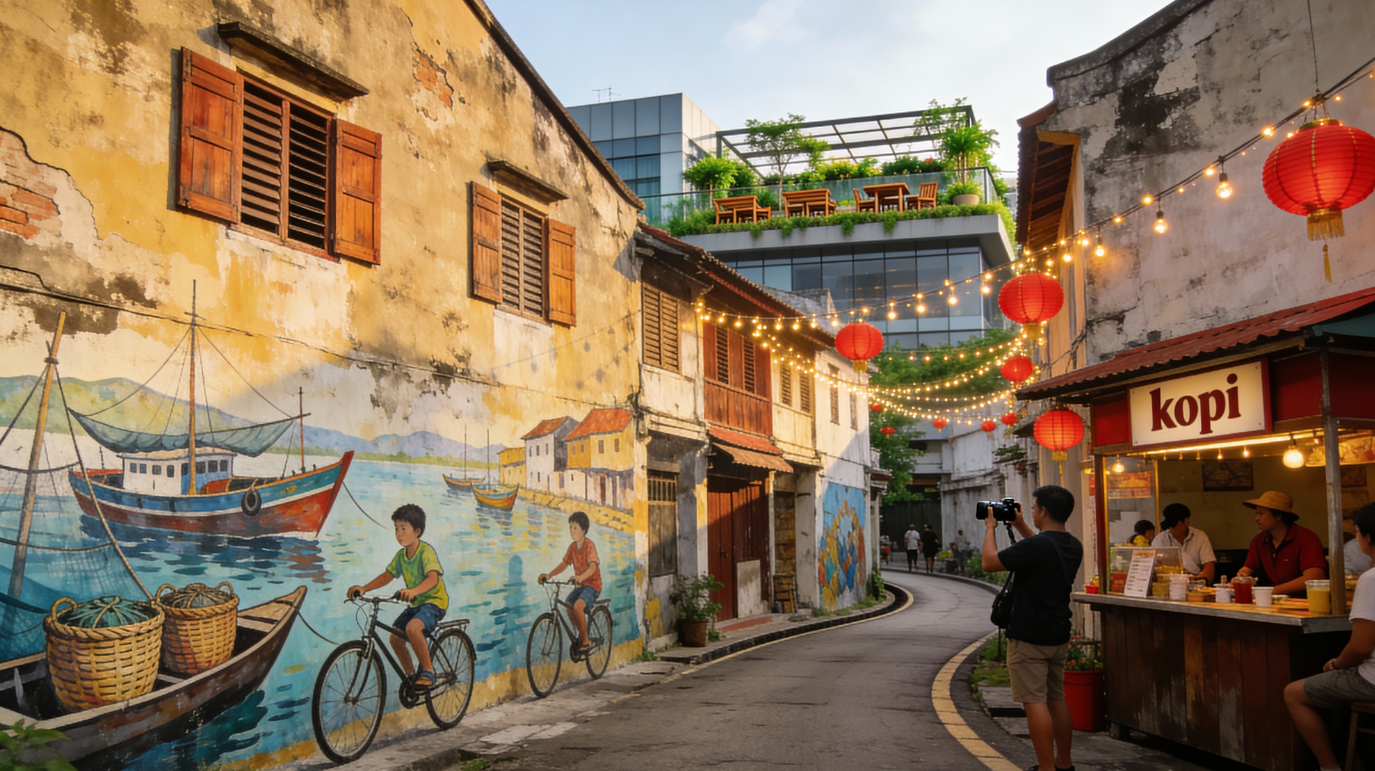
In recent years, Batu Pahat has embraced street art as a way to revitalize the Old Street area and celebrate its heritage. Local and visiting artists have created stunning murals depicting:
– Historical scenes from Batu Pahat’s past
– Traditional occupations and trades
– Cultural diversity and harmony
– Nostalgic childhood memories
– Local flora and fauna
The street art trail has become increasingly popular with visitors and locals alike. Each mural tells a story – take time to read the accompanying plaques that provide context. These art pieces are also perfect Instagram opportunities, offering colorful backdrops that capture the essence of Batu Pahat.
Traditional Businesses Worth Visiting
Kopitiam (Traditional Coffee Shops):
Old Street is home to several historic kopitiams where locals gather for traditional breakfasts and strong local coffee. These establishments have barely changed in decades, with marble-top tables, wooden benches, and the same recipes their founders used. Try the kaya toast, soft-boiled eggs, and Hainanese coffee – a perfect energy boost during your walk.
Traditional Medicine Shops:
Chinese medicine shops (tongshengtang) display jars of dried herbs, roots, and traditional remedies. Some have operated for over 80 years, with knowledgeable practitioners who can explain traditional Chinese medicine principles. The distinctive smell of herbs wafting from these shops is part of Old Street’s sensory experience.
Hardware and Sundry Shops:
Old-style hardware stores showcase an astounding variety of goods, from kitchen utensils to farming tools, displayed in organized chaos. These shops serve as time capsules, offering products and brands that have disappeared elsewhere.
Textile and Fabric Stores:
Traditional fabric shops sell materials by the meter, offering everything from batik and songket to imported fabrics. Some also provide tailoring services, continuing the tradition of custom-made clothing.
Gold Shops and Jewelers:
Family-run jewelry stores have served the community for generations, known for their trustworthiness and craftsmanship. Window displays showcase intricate gold pieces, and staff can share stories about wedding traditions and local preferences.
Cultural Insights
Walking through Old Street provides insight into Batu Pahat’s multicultural heritage. You’ll notice:
– Diverse religious architecture: Buddhist temples, Chinese clan associations, and small prayer shrines coexist peacefully
– Multiple languages: Signboards in Chinese, Malay, and English reflect the town’s diversity
– Fusion of traditions: Observe Peranakan influences in some building designs and local dress
– Traditional occupations: Some craftspeople still practice traditional trades like metal working and wood carving
Food Stops Along the Way
Heritage Shophouses:
No Old Street tour is complete without sampling local food. The area is dotted with hawker stalls and eateries serving:
– Freshly made pao (steamed buns) at morning bakeries
– Traditional kuih (cakes and snacks) from family recipes
– Roasted meats hanging in shop windows
– Handmade noodles at small factories
– Homemade soy milk and tau fu fah (soybean curd)
Many vendors welcome questions about their preparation methods and family histories. This personal interaction adds depth to your culinary experience.
Photography Tips
Old Street is a photographer’s paradise. For the best shots:
Architecture:
– Shoot building facades in early morning or late afternoon for best lighting
– Capture details: ornate doorways, vintage signboards, decorative tiles
– Include the covered five-foot way perspective for depth
– Look for interesting angles that show the buildings’ character
Street Life:
– Candid shots of locals going about their daily routines
– Vendor interactions at morning markets
– Traditional crafts and occupations in action
– Children playing in the streets (always ask permission)
Street Art:
– Visit murals at different times of day for varied lighting
– Include people in your shots for scale and context
– Capture both wide views and close-up details
– Document the stories behind each artwork
Hidden Gems to Discover
Secret Courtyards: Some shophouses have interior courtyards visible from certain angles – these air wells were essential for ventilation and light.
Old Wells: Historical water wells, now covered, exist in various locations. Local elders can point them out and share their significance.
Ghost Signs: Faded painted advertisements on building walls reveal old businesses and products – hunt for these “ghost signs” that tell commercial history.
Clan Houses: Chinese clan associations maintain meeting houses that showcase ancestral halls and communal spaces. Some welcome visitors during specific hours.
Practical Information
Getting There:
Old Street is located in central Batu Pahat, easily accessible from anywhere in town. Look for “Lao Jie” or “Old Street Commercial Centre” on maps. Parking is available on side streets, though can be challenging on weekends.
Duration:
Allow 2-3 hours for a leisurely walk with stops for photos and refreshments. Serious history buffs and photographers might want half a day.
What to Bring:
– Comfortable walking shoes
– Hat and sunscreen
– Water bottle
– Camera or smartphone
– Small amount of cash for snacks and drinks
– Notebook for recording stories from locals
Respect and Etiquette:
– Ask permission before photographing people or inside shops
– Be mindful that these are working businesses and homes
– Speak softly and respect residents’ privacy
– Don’t block shop entrances while taking photos
– Support local businesses by making small purchases
– Proper dress when visiting religious sites
Combining Your Visit
Old Street pairs well with other Batu Pahat attractions:
Morning: Start with Old Street heritage walk and breakfast
Mid-morning: Visit Batu Pahat Mall for air-conditioned shopping
Lunch: Try famous food spots in the vicinity
Afternoon: Explore Minyak Beku Beach or Wet World
Evening: Return to Old Street for different lighting and night market atmosphere
The Future of Old Street
Local authorities and heritage groups are working to preserve Old Street’s character while adapting to modern needs. Conservation efforts include:
– Protecting significant buildings from demolition
– Encouraging restoration using traditional methods
– Supporting local businesses to remain viable
– Promoting heritage tourism
– Installing informational signage about historical significance
The challenge is balancing preservation with progress. Some businesses struggle with modern competition, making it crucial for visitors to support them when possible.
Connecting with Local Culture
What makes Old Street special isn’t just the buildings – it’s the people. Shop owners are often willing to share their family histories and the area’s past. Morning regulars at kopitiams might invite you to join their table. Elderly residents sitting outside might enjoy a brief conversation about old times.
These personal interactions transform a simple walking tour into a meaningful cultural exchange. You’ll hear stories of how the town has changed, what life was like decades ago, and personal perspectives on preserving heritage in a modernizing world.
Lesser-Known Facts
– Old Street shophouses once housed secret societies and served as meeting points during turbulent political times
– Some buildings have tunnel systems connecting them, used historically for safety and smuggling
– The five-foot way measurement comes from colonial building regulations
– Certain buildings served as community centers during Japanese occupation
– Traditional festivals and processions still use Old Street as their route
Seasonal Considerations
Old Street takes on different characters throughout the year:
Chinese New Year: Decorated with red lanterns and festive displays, incredibly vibrant but crowded
Hungry Ghost Festival (7th lunar month): Witness traditional offerings and ceremonies on the streets
Mid-Autumn Festival: Look for mooncakes at traditional bakeries
Regular Weekdays: Quiet, authentic atmosphere perfect for photography
Weekends: More activity, easier to observe community life
Why Old Street Matters
In an era of shopping malls and modern developments, places like Batu Pahat’s Old Street represent irreplaceable links to our past. These aren’t museum exhibits – they’re living communities where heritage buildings still serve their original purposes, where traditional skills are practiced, and where stories are passed down through generations.
Walking these streets connects us to the pioneers who built this town, the traders who established its commerce, and the families who have maintained these traditions. Every shop, every building, every street corner has witnessed history and continues to contribute to Batu Pahat’s unique identity.
Making the Most of Your Visit
To truly appreciate Old Street, slow down. Don’t just see – observe. Notice the details in the architecture, the rhythms of daily life, the interactions between people. Strike up conversations. Ask questions. Listen to stories. Buy something small from a traditional shop. Sit in a kopitiam and watch the world go by.
This isn’t a place to rush through checking off photo opportunities. It’s a place to experience, to learn, to connect with a way of life that’s increasingly rare. The memories you create here – the tastes, sights, sounds, and especially the human connections – will stay with you long after you leave.
Final Thoughts
Batu Pahat’s Old Street is more than just heritage buildings and street art – it’s a testament to the resilience of community, the value of preservation, and the beauty of cultural continuity. As you walk these historic streets, you’re not just a tourist; you’re a participant in the ongoing story of this remarkable place.
Whether you spend an hour or an entire morning exploring, Old Street offers something money can’t buy – authenticity. In a world of replicas and theme parks, this is the real thing: real businesses, real people, real history. It’s rough around the edges, occasionally chaotic, sometimes rundown, but absolutely genuine.
So put away your GPS, forget about rigid schedules, and let Old Street reveal itself to you organically. Wander, wonder, and discover. Every turn might lead to an interesting shop, a beautiful mural, or a friendly conversation. That’s the magic of Batu Pahat’s Old Street – it rewards those who take the time to truly explore. Your walking tour awaits!